Fed Governor Barr warns that heavy debt behind the AI data centre boom could deepen any market repricing
In a speech in Milan, Michael Barr said debt at the seven largest AI firms should top 800 billion dollars this year, with off-balance-sheet obligations above 3 trillion, and warned that similar AI trading models could herd.
Last updated
Not investment advice. Read the disclaimer.
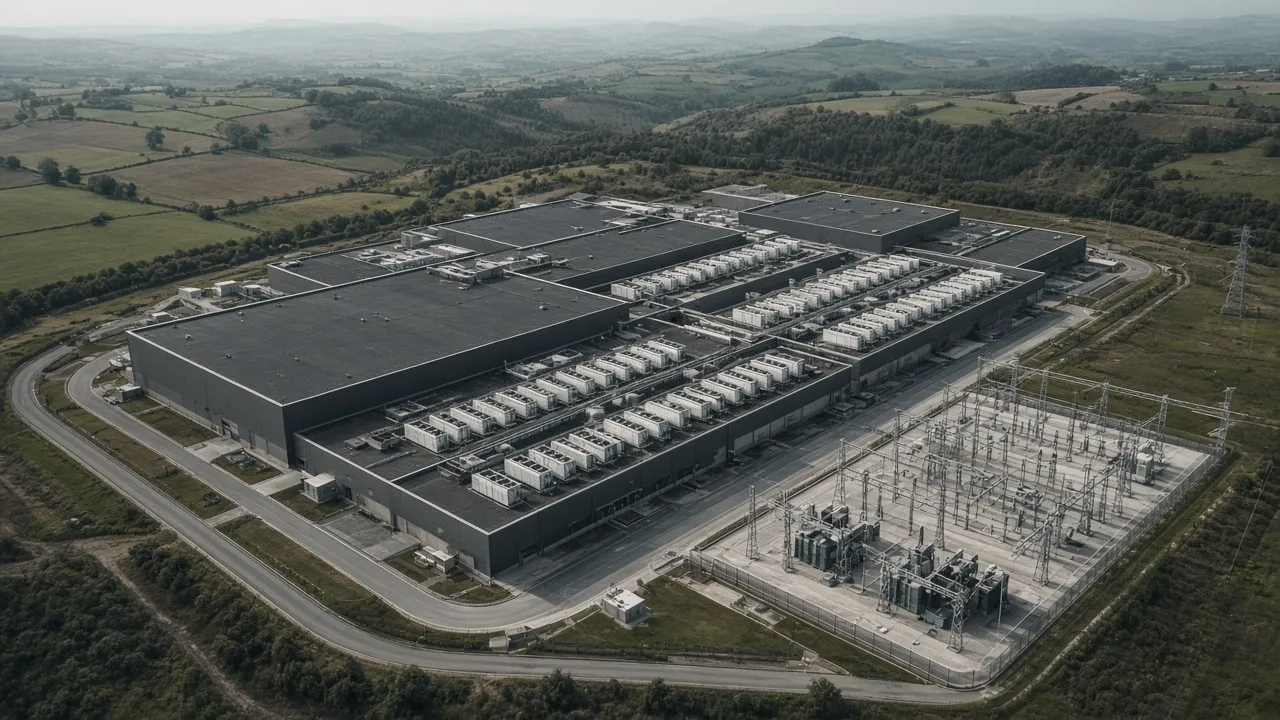
Federal Reserve Governor Michael Barr has warned that the way the AI investment boom is being financed could make a downturn worse if investors' expectations are not met. He set out the concerns in a speech on Monday 16 November at the Association for Computing Machinery's International Conference on Artificial Intelligence in Finance in Milan.
Barr said he is an optimist about the long-term promise of AI. He was also careful to say that Fed policymakers do not target market levels and that he avoids commenting on market moves.
The debt behind the buildout
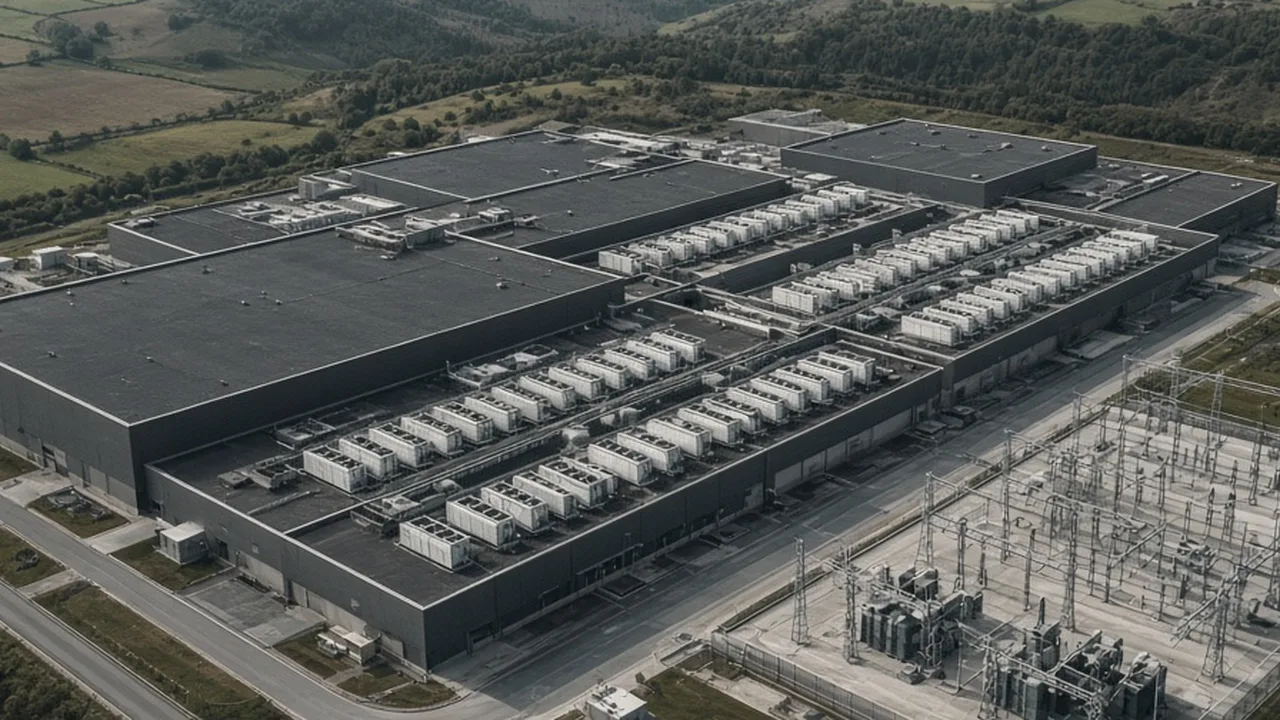
Drawing on the Fed's latest Financial Stability Report, published on Friday, Barr said on-balance-sheet debt at the seven largest AI firms has grown sharply in 2026 and is expected to exceed $800 billion before the end of the year. Their other obligations, such as long-term contracts, lease commitments and residual value guarantees, have grown even faster. The report estimates the potential maximum value of these off-balance-sheet liabilities now exceeds $3 trillion.
He pointed to three ways this "advanced computing debt" could affect financial stability: its rapid growth, circular financing networks and other complex obligations. If AI investments were sharply repriced, stress in those areas could amplify the fall, he said. He compared the trend with the telecom investment cycle of the late 1990s and early 2000s, noting that hyperscalers have not yet overtaken that earlier boom in cumulative spending and debt but may do so soon.
Valuations
Barr said the equity premium, a rough gauge of the extra return investors demand for holding stocks over risk-free bonds, is low by historical standards, though not nearly as low as during the dot-com boom.
AI in trading
On markets, he warned that traders relying on a small set of similar AI models trained on similar data risk herding, with strategies reacting to news in the same way at the same time. A market full of similar models that share the same flaw "risks failures with systemic consequences", he said, and bad actors could try to mislead many similar systems at once.
Why it matters
The speech is not a signal on interest rates. It shows the Fed is watching how AI spending is financed, especially obligations that sit off balance sheets, and the next Financial Stability Report will show whether those figures keep climbing.
More in Economy and Fed & Rates.